<
<
|
|
|
|
||
|
|
|
|||
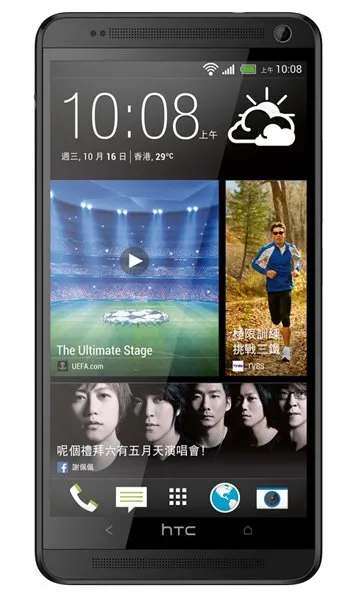
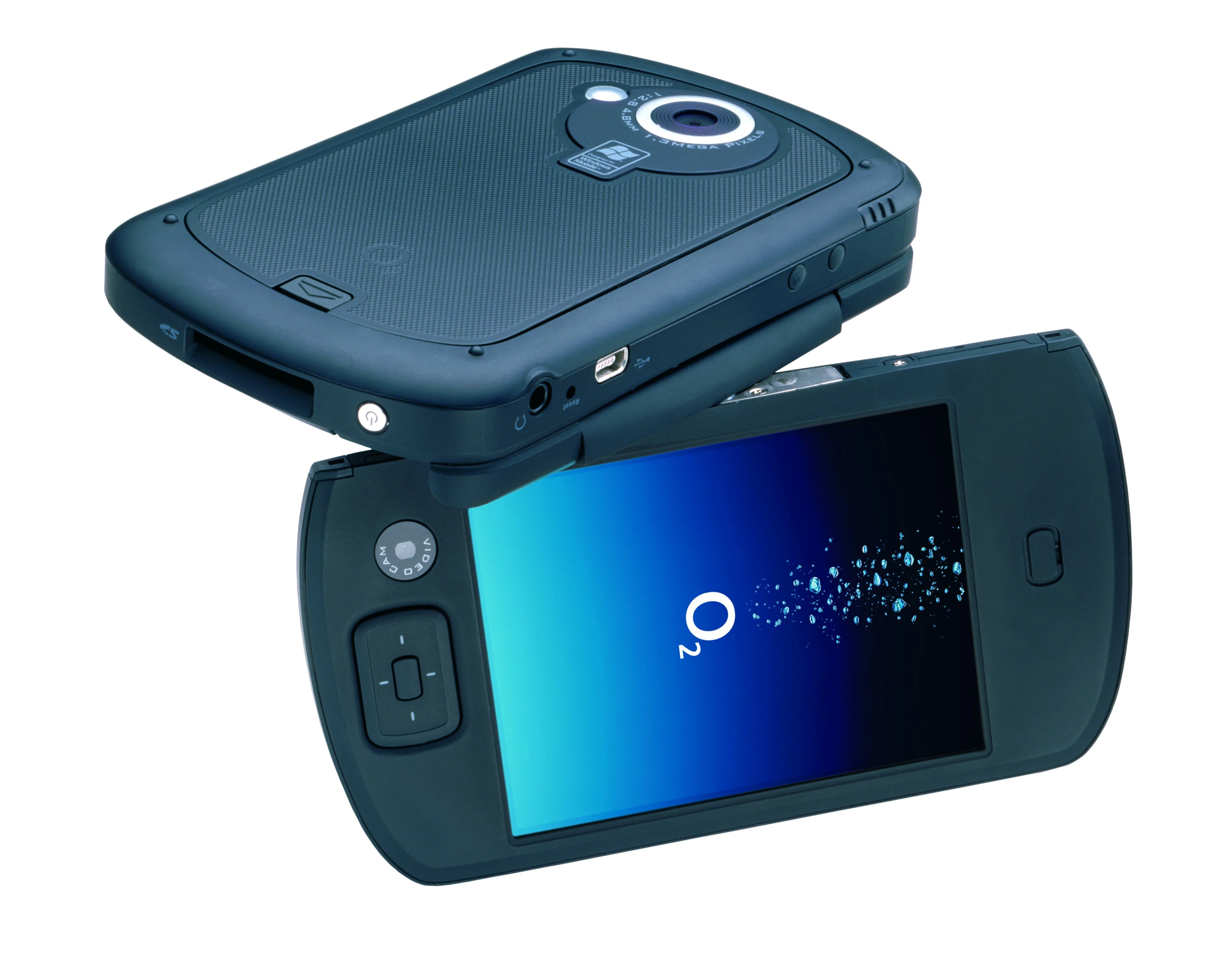
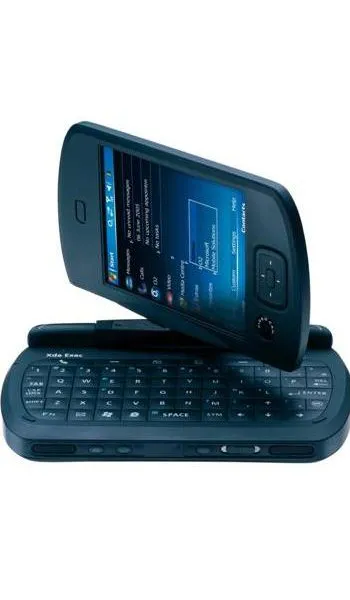
Brief information about compared phones: HTC One Max , O2 XDA ExecHTC One Max 2013 year of release. cpu Quad-core 1.7 GHz Krait 300. screen 5.9". with resolution 1080x1920. Smartphone has 2 megapixel front camera and 4 megapixel main camera . O2 XDA Exec 2005 year of release. cpu Intel Bulverde 520 MHz. screen 3.6". with resolution 640x480. Smartphone has 0 megapixel front camera and 1 megapixel main camera . |
||||
| Display | Technology | Super LCD3 | TFT | |
| Touchscreen | capacitive touchscreen | resistive touchscreen | ||
| Display colors | 16M | 65K | ||
| Screen size | 5.9" inch | 3.6" inch | ||
| Screen area | 96.0 cm2 | 40.1 cm2 | ||
| Screen format | 16:9 (height:width) | 4:3 (height:width) | ||
| Screen to body ratio | 70.7% | 39.0% | ||
| Screen resolution | 1080 x 1920 px | 640 x 480 px | ||
| PPI /points per inch/ | 373 PPI | 222 PPI | ||
| Screen protection | Corning Gorilla Glass 3 | |||
| Camera and Video | Rear camera, main | 4 MP, Single | 1.3 MP, Single | |
| Camera specs | 4 MP, 1/3'', 2µm, AF | 1.3 MP | ||
| Functions | HDR | |||
| Video | 1080p@30fps | Yes | ||
| Front camera, selfie | 2.1 MP, Single | 0.3 MP, Single | ||
| Specifications | 2.1 MP | VGA videocall camera | ||
| Performance | Operating system OS | Android 4.3 (Jelly Bean), upgradable to 5.0 (Lollipop); Sense UI 5.5 | Microsoft Windows Mobile 5.0 PocketPC | |
| Chipset | Qualcomm APQ8064 Snapdragon 600 | |||
| Processor CPU | Quad-core 1.7 GHz Krait 300 | Intel Bulverde 520 MHz | ||
| Graphics processor GPU | Adreno 320 | |||
| External memory | microSD, up to 64 GB (dedicated slot) | SDIO/MMC | ||
| Internal memory | 16/32 GB, 2 GB RAM | 64 MB RAM, 128 MB ROM | ||
| Antutu 7 score | 26775 | |||
| GeekBench 4 Single Core | 645 | |||
| GeekBench 4 Multi-Core | 1903 | |||
| General specs | Release date | 2013, October | 2005, August | |
| Dimensions (HxWxD) | 164.5 Х 82.5 Х 10.3 mm | 127 Х 81 Х 25 mm | ||
| Weight | 217 g | 285 g | ||
| Colors | Silver, Black, Gold | Stylish black | ||
| Battery | 3300 mAh, Non-removable Li-Po | 1620 mAh, Removable Li-Ion | ||
| Approximate price | 370 EUR | 300 EUR | ||
| Battery life | Stand by time- Up to 585 h (3G) Talking time- Up to 25 h (3G) | Stand by time- Up to 250 h Talking time- Up to 8 h | ||
| Communication and Connectivity | SIM card | Micro-SIM | Mini-SIM | |
| Network | Show all network frequencies: -2G - GSM 850 / 900 / 1800 / 1900 CDMA 800 / 1900 - for Verizon, Sprint -3G - HSDPA 900 / 1900 / 2100 - EMEA HSDPA 850 / 900 / 1900 / 2100 - Asia HSDPA 1900 / 2100 - for Sprint -4G - LTE band 3(1800), 7(2600), 8(900), 20(800) - EMEA LTE band 1(2100), 3(1800), 8(900) - Asia LTE band 4(1700/2100), 13(700) - Verison | Show all network frequencies: -2G - GSM 900 / 1800 / 1900 | ||
| Speed | HSPA, LTE Cat3 100/50 Mbps | Yes, 384 kbps | ||
| GPRS | Yes | Class 10 | ||
| Edge | Yes | No | ||
| Wi-Fi | Wi-Fi 802.11 a/b/g/n/ac, Wi-Fi Direct, DLNA, hotspot | Wi-Fi 802.11b | ||
| GPS | Yes, with A-GPS, GLONASS | No | ||
| NFC | Yes | |||
| USB | microUSB 2.0 (MHL TV-out) | miniUSB | ||
| Bluetooth | 4.0, A2DP, aptX | 1.2 | ||
| Harmful irradiation | SAR - 0.81 W/kg (head) 0.21 W/kg (body) | |||
| Music and Audio | Radio | Stereo FM radio, RDS | No | |
| Headphone jack | Yes | No | ||
| Others | BoomSound dual front stereo speakers -Active noise cancellation with dedicated mic | Handwriting recognition | ||
| Other features | Dop | Sensors Fingerprint (rear-mounted), accelerometer, gyro, proximity, compass, Infrared port - Available as HTC One Max Dual SIM for China | , Infrared port - Pocket Office -Voice memo -MP3/AAC player - Produced by HTC. Functionally identical to Qtek 9000 , i-mate JASJAR and T-Mobile MDA IV. | |