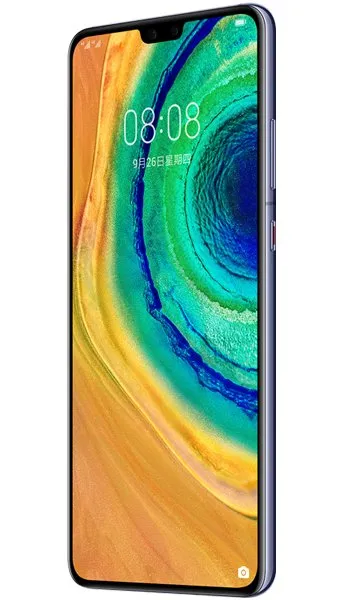
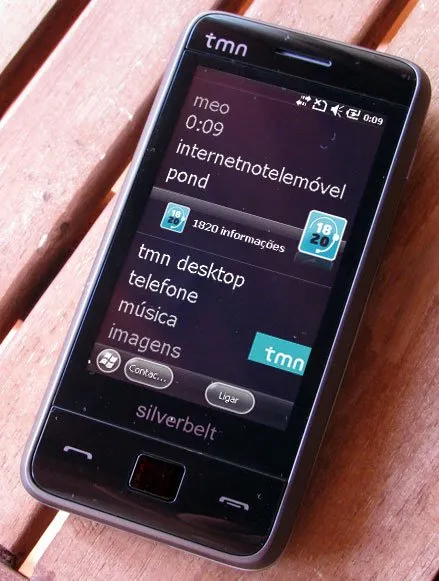
Huawei Mate 30 vs ZTE Raise
Compare recorded specifications, size and practical differences.
+ Add a third phone
Key differences
Calculated from recorded specifications using minimum difference thresholds. These are differences, not an overall ranking. For three phones, numeric highlights compare the two extremes.
-
Weight
Raise: 50 g lighter
- Mate 30:
- 196 g
- Raise:
- 146 g
-
Width
Raise: 19.1 mm narrower
- Mate 30:
- 76.1 mm
- Raise:
- 57 mm
-
Screen diagonal
Raise: 3.42 in smaller diagonal
- Mate 30:
- 6.62 in
- Raise:
- 3.2 in
-
Rear camera layout
- Mate 30:
- Triple
- Raise:
- Single
-
Depth
Mate 30: 4.1 mm thinner
- Mate 30:
- 8.4 mm
- Raise:
- 12.5 mm
-
Height
Raise: 48.8 mm shorter
- Mate 30:
- 160.8 mm
- Raise:
- 112 mm
Physical size
Relative size, not calibrated actual size. Front and side outlines share one scale and a bottom baseline. Generic outlines use recorded body dimensions, excluding camera bumps.
1. Mate 30
- Height:
- 160.8 mm +48.8 mm versus Raise
- Width:
- 76.1 mm +19.1 mm versus Raise
- Depth:
- 8.4 mm
2. Raise
- Height:
- 112 mm
- Width:
- 57 mm
- Depth:
- 12.5 mm +4.1 mm versus Mate 30
Weight
Bars start at zero and share a scale within this chart.
Screen size
Approximate rectangular screens calculated from recorded diagonal and aspect ratio at one relative scale. Rounded corners and cutouts are not subtracted. These are not phone outlines or calibrated actual sizes.
1. Mate 30
- Screen diagonal:
- 6.62 in
- Aspect ratio (height:width):
- 19.5:9
- Approximate rectangular screen area:
- 107.6 cm²
2. Raise
- Screen diagonal:
- 3.2 in
- Aspect ratio (height:width):
- 4:3
- Approximate rectangular screen area:
- 31.7 cm²
Mate 30 has approximately 239.2% more rectangular screen area than Raise.
Memory variants
Each row compares the same storage capacity. Cells show recorded RAM alternatives, not combined maxima. Not recorded does not mean unavailable in every market.
No unambiguous storage/RAM pairings are recorded. See the original specifications below.
Mate 30: Original memory entry
128GB 6GB RAM · 128GB 8GB RAM · UFS3.0
Practical features
Explicit Yes and No values are shown directly. Qualified or regional records retain their details. Unknown means the record is missing.
1. Mate 30
- NFC:
- Yes
- Headphone jack:
- Yes
- Memory card support:
- See details NM (Nano Memory) · up to 256GB (uses shared SIM slot)
2. Raise
- NFC:
- Unknown
- Headphone jack:
- Yes
- Memory card support:
- See details microSD · up to 8 GB (dedicated slot)
Battery capacity
Capacity is not battery life. No endurance test is implied.
Recorded battery capacity
Bars start at zero and share a scale within this chart.
Specifications
Open a section for more detail. On narrow screens, swipe sideways or use Left/Right arrow keys while the table is focused. Unknown means missing data, not No. Recorded zero values are shown as recorded.
1. Mate 302. Raise
Everyday essentials
| Specification | Mate 30 | Raise |
|---|---|---|
| Dimensions (HxWxD) |
|
|
| Weight |
|
|
| Technology |
|
|
| Screen size |
|
|
| Screen resolution |
|
|
| Internal memory Recorded storage / RAM variants. Entries are alternatives, not a combined maximum. Ambiguous formats stay as recorded. |
|
Unknown |
| Memory card support |
|
|
| Battery Capacity is not battery life. No endurance test is implied. |
|
|
| Operating system OS |
|
|
| Chipset |
|
Unknown |
| NFC |
|
Unknown |
| Headphone jack |
|
|
Display
| Specification | Mate 30 | Raise |
|---|---|---|
| Touchscreen |
|
|
| Display colors |
|
|
| Screen area |
|
|
| Screen format |
|
|
| Screen to body ratio |
|
|
| PPI /points per inch/ |
|
|
Camera and Video
| Specification | Mate 30 | Raise |
|---|---|---|
| Rear camera, main |
|
|
| Camera specs |
|
|
| Functions |
|
|
| Video |
|
|
| Front camera, selfie |
|
|
| Specifications |
|
Unknown |
Performance
Scores marked * are historical catalogue entries. Test conditions are unspecified; no new testing is implied.
General specs
| Specification | Mate 30 | Raise |
|---|---|---|
| Release date |
|
|
| Colors |
|
|
| Historical recorded price Legacy catalogue value; date unknown. Not a current offer. |
|
Unknown |
| Battery life | Unknown |
|
| Body build |
|
Unknown |
Communication and Connectivity
| Specification | Mate 30 | Raise |
|---|---|---|
| SIM card |
|
|
| Network |
|
|
| Speed |
|
|
| GPRS |
|
|
| Edge |
|
|
| Wi-Fi |
|
|
| GPS |
|
|
| USB |
|
|
| Bluetooth |
|
|
Music and Audio
| Specification | Mate 30 | Raise |
|---|---|---|
| Radio |
|
|
| Others |
|
Unknown |
Other features
| Specification | Mate 30 | Raise |
|---|---|---|
| Dop |
|
|