<
<
|
|
|
|
||
|
|
|
|||
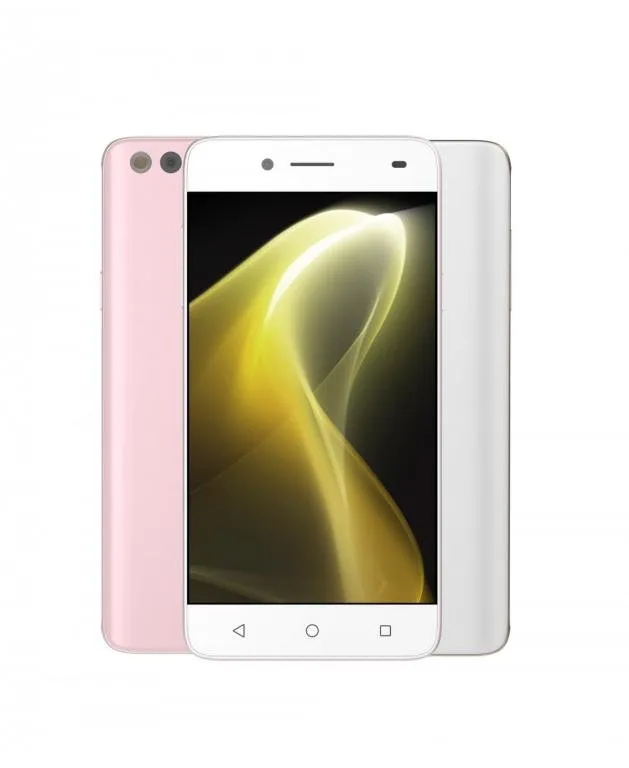
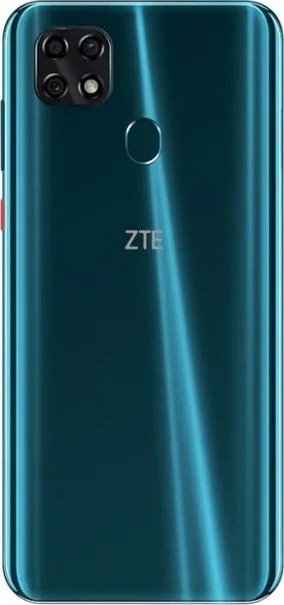
Brief information about compared phones: Sharp MS1 , ZTE Blade 20Sharp MS1 2016 year of release. cpu Octa-core 1.3 GHz Cortex-A53. screen 5.5". with resolution 1080x1920. Smartphone has 13 megapixel front camera and 13 megapixel main camera . ZTE Blade 20 2019 year of release. cpu Octa-core (4x2.0 GHz Cortex-A73 & 4x2.0 GHz Cortex-A53). screen 6.49". with resolution 720x1560. Smartphone has 8 megapixel front camera and 16 megapixel main camera . |
||||
| Display | Technology | LTPS IPS LCD | IPS LCD | |
| Touchscreen | capacitive touchscreen | capacitive touchscreen | ||
| Display colors | 16M | 16M | ||
| Screen size | 5.5" inch | 6.49" inch | ||
| Screen area | 83.4 cm2 | 103.4 cm2 | ||
| Screen format | 16:9 (height:width) | 19.5:9 (height:width) | ||
| Screen to body ratio | 70.0% | 82.9% | ||
| Screen resolution | 1080 x 1920 px | 720 x 1560 px | ||
| PPI /points per inch/ | 401 PPI | 265 PPI | ||
| Screen protection | Corning Gorilla Glass (unspecified version) | |||
| Camera and Video | Rear camera, main | 13 MP, Single | 16 MP, Dual | |
| Camera specs | 13 MP, AF | 16 MP, f/2.0, PDAF -8 MP, 12mm (ultrawide) -2 MP, depth sensor | ||
| Functions | LED flash, panorama, HDR | LED flash, HDR, panorama | ||
| Video | 1080p@30fps | 1080p@30fps | ||
| Front camera, selfie | 13 MP, Single | 8 MP, Single | ||
| Specifications | 13 MP | 8 MP, f/2.4 | ||
| Performance | Operating system OS | Android 6.0 (Marshmallow) | Android 9.0 (Pie) | |
| Chipset | Mediatek MT6753 (28 nm) | Mediatek MT6771 Helio P70 (12nm) | ||
| Processor CPU | Octa-core 1.3 GHz Cortex-A53 | Octa-core (4x2.0 GHz Cortex-A73 & 4x2.0 GHz Cortex-A53) | ||
| Graphics processor GPU | Mali-T720MP3 | Mali-G72 MP3 | ||
| External memory | microSD, up to 64 GB (uses SIM 2 slot) | microSD, up to 256 GB (uses shared SIM slot) | ||
| Internal memory | 64 GB, 3 GB RAM | 128GB 4GB RAM | ||
| General specs | Release date | 2016, October | 2019, October | |
| Dimensions (HxWxD) | 155 Х 76.9 Х 7.6 mm | 162.9 Х 76.6 Х 9 mm | ||
| Weight | 151 g | 190 g | ||
| Colors | Hanayome White, Pure Pink | Turquoise, Magic red | ||
| Battery | 2600 mAh, Non-removable Li-Ion | 5000 mAh, Non-removable Li-Po | ||
| Approximate price | 240 EUR | 130 EUR | ||
| Body build | Front glass, plastic body | |||
| Communication and Connectivity | SIM card | Hybrid Dual SIM (Nano-SIM, dual stand-by) | Hybrid Dual SIM (Nano-SIM, dual stand-by) | |
| Network | Show all network frequencies: -2G - GSM 850 / 900 / 1800 / 1900 -3G - HSDPA 850 / 900 / 1900 / 2100 -4G - LTE | Show all network frequencies: -2G - GSM 850 / 900 / 1800 / 1900 - SIM 1 & SIM 2 -3G - HSDPA 850 / 900 / 2100 -4G - LTE (unspecified) | ||
| Speed | HSPA, LTE | HSPA 42.2/5.76 Mbps, LTE-A | ||
| GPRS | Yes | Yes | ||
| Edge | Yes | Yes | ||
| Wi-Fi | Wi-Fi 802.11 a/b/g/n, hotspot | Wi-Fi 802.11 b/g/n, hotspot | ||
| GPS | Yes, with A-GPS | Yes, with A-GPS, GLONASS | ||
| NFC | ||||
| USB | microUSB 2.0 | microUSB 2.0, USB On-The-Go | ||
| Bluetooth | 4.1, A2DP, LE | 5.0, A2DP, LE | ||
| Music and Audio | Radio | FM radio | FM radio, recording | |
| Headphone jack | Yes | Yes | ||
| Others | Active noise cancellation with dedicated mic | Active noise cancellation with dedicated mic | ||
| Other features | Dop | Sensors Accelerometer, proximity, compass | Sensors Fingerprint (rear-mounted), accelerometer, proximity, compass - Fast battery charging 18W | |